LSZH cable requirements in Australia are driven by strict fire safety standards for buildings and infrastructure. In fires, smoke poses a greater risk than flames, as it reduces visibility, slows evacuation, and damages critical systems. For this reason, Australian regulations place strong emphasis on smoke control and low-toxicity materials, especially in high-occupancy and enclosed environments.
Table of Contents
IEC and AS/NZS Standard
Australia’s cable standards are closely aligned with IEC standards, reflecting its participation in global electrical and fire-safety frameworks. Many AS/NZS cable requirements are adopted directly from IEC documents, which makes IEC-compliant LSZH cables widely recognizable and technically acceptable in Australian projects.
However, AS/NZS standards often add local requirements to address Australia’s building practices, fire risk assessments, and installation conditions. These deviations typically focus on fire performance testing, installation methods, and compliance marking rather than basic cable construction.
IEC vs AS/NZS for LSZH Cables (Overview)
| Aspect | IEC Standards | AS/NZS Standards |
|---|---|---|
| Role | Global technical baseline | National adoption with local adaptations |
| Fire & smoke tests | IEC-defined test methods | IEC-based, with additional or stricter criteria |
| Climate considerations | General global conditions | Adapted for Australian environments |
| Certification | IEC test reports | AS/NZS compliance and local approvals |
| Project acceptance | Widely accepted internationally | Mandatory for Australian installations |
In practice, IEC compliance alone may not be sufficient. LSZH cables used in Australia must meet the relevant AS/NZS standards to ensure full regulatory acceptance and project approval.
How LSZH Is Defined in Practice in Australia (AS/NZS Perspective)
In the Australian market, LSZH is not judged by the cable name, but by measurable material performance and test compliance. Under AS/NZS practice, a power cable is considered LSZH only if its sheath and insulation materials meet specific fire, smoke, and halogen limits defined by referenced standards.
For LSZH power cables (typically 0.6/1 kV), the following elements are critical:
1. Cable Structure Requirements (Power Cable Example)
A typical AS/NZS-accepted LSZH power cable structure includes:
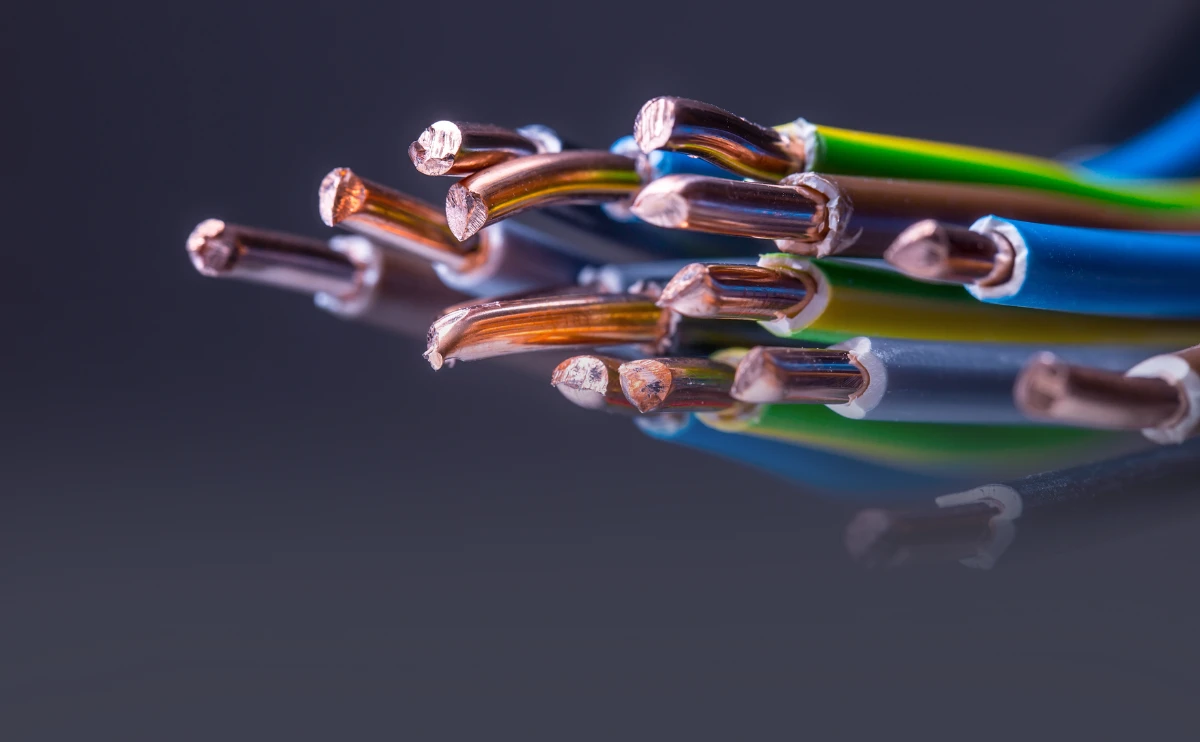
Conductor: Copper or aluminium (Class 2 or Class 5, per AS/NZS 1125)
Insulation: XLPE or equivalent halogen-free compound
Inner sheath / bedding (if applicable): Halogen-free, flame-retardant material
Outer sheath: LSZH compound designed for low smoke and zero halogen performance
Key point: Even if the insulation is halogen-free, the cable cannot be classified as LSZH if the outer sheath contains PVC or other halogenated polymers.
2. Core Performance Parameters Used to Judge LSZH
In Australia, LSZH qualification is typically based on test results, not labels. Commonly referenced criteria include:
| Performance Aspect | Typical Requirement (AS/NZS Practice) | Purpose |
|---|---|---|
| Halogen acid gas content | Very low or near zero (IEC 60754 reference) | Prevents corrosive gas damage |
| Smoke density | Low smoke emission (IEC 61034 reference) | Maintains evacuation visibility |
| Flame retardancy | Passes vertical flame tests (IEC 60332 series) | Prevents flame spread |
| Material composition | Halogen-free sheath & insulation | Eliminates toxic gas release |
AS/NZS standards often adopt IEC test methods directly, meaning compliance with these IEC fire and smoke tests is widely accepted in Australian projects.
3. Practical Example (Australian Power Cable)
An AS/NZS 5000.1 0.6/1 kV power cable with:
- Copper conductor
- XLPE insulation (halogen-free)
- LSZH outer sheath
- Verified compliance with IEC 60332 + IEC 60754 + IEC 61034
This cable would be accepted as LSZH in Australian commercial, transport, and infrastructure projects, even if the standard text does not explicitly use the word “LSZH” in the cable designation.
4. How LSZH Is Specified on Australian Projects
In real projects, specifications often state requirements such as:
- “Low smoke, zero halogen sheath”
- “Halogen-free power cable complying with IEC fire and smoke performance”
- “LSZH cables required in enclosed or public areas”
This approach allows engineers to focus on safety outcomes, while giving manufacturers flexibility in cable design—as long as the test performance meets AS/NZS-accepted criteria.
Common LSZH Applications in Australia
In Australia, LSZH cables are widely specified by project requirements and safety codes, especially in enclosed or high-occupancy environments. Rather than being optional, LSZH is often mandatory to control smoke, reduce toxic gases, and protect evacuation routes and critical equipment.
| Application Area | Typical LSZH Cable Types | Why LSZH Is Required in Australia |
|---|---|---|
| Public buildings & commercial projects | LSZH building wire (450/750V), LSZH LV power cables (0.6/1kV) | Limits toxic smoke in enclosed spaces such as corridors, stairwells, and shared evacuation paths |
| Rail, metro & tunnels | LSZH power, control, and signal cables | Poor ventilation and high people density require strict smoke and flame control |
| Airports & transport hubs | LSZH power and control cables | Prevents visibility loss during evacuation and reduces corrosion to electronic systems |
| Underground & enclosed areas | LSZH multi-core and control cables | Smoke containment is critical where natural ventilation is limited |
Across the Australian market, LSZH cable selection focuses on location and risk level rather than cable naming alone. Projects governed by AS/NZS standards and transport authority specifications often clearly define low-smoke, zero-halogen performance criteria, making LSZH cables a standard requirement in public, underground, and transport-related installations.
What Australian Buyers Expect from Manufacturers
Australian buyers expect clear compliance evidence, not marketing claims. This includes complete test reports, traceable material declarations, and clear references to AS/NZS and IEC standards. Consistency in compound quality, construction, and manufacturing control is critical, especially for repeat or long-term projects.
With 15 years of experience in the Australian electrical cable market, our engineering team understands local standards, approval practices, and project expectations. Contact us to discuss your project requirements—we provide technical support and tailored cable solutions to meet Australian compliance needs.