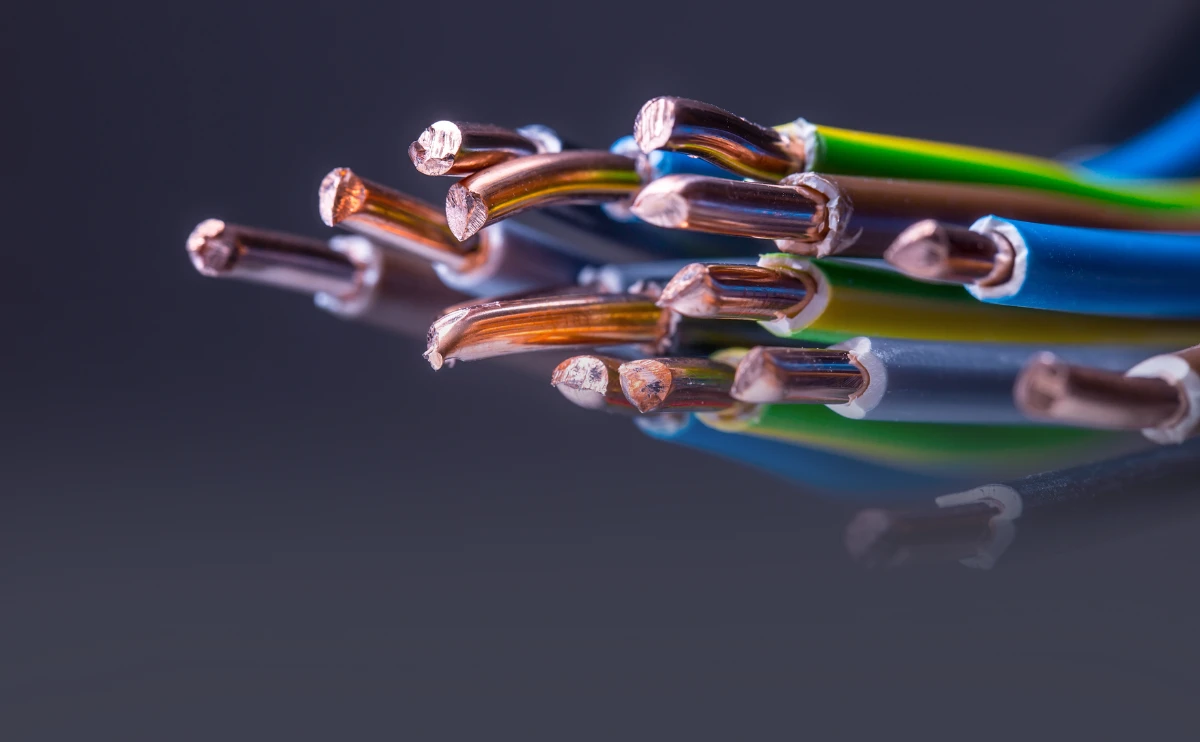
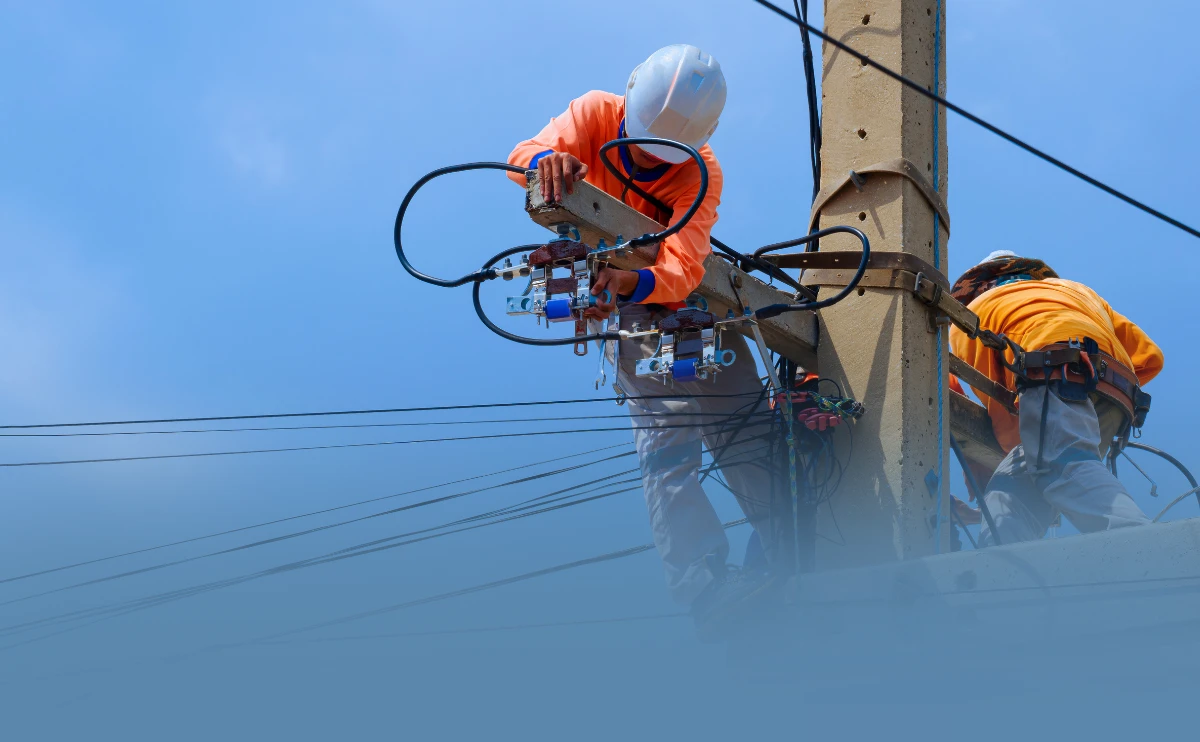
LSZH cable (Low Smoke Zero Halogen cable) is designed to improve fire safety in enclosed and high-occupancy spaces. In a fire, dense smoke and toxic gases pose greater risks than flames themselves.
Unlike PVC cables, LSZH cables emit minimal smoke and no halogen gases, helping maintain visibility, reduce toxic exposure, and limit corrosion to nearby equipment. Although often overlooked, cable choice is a critical factor in fire-safe electrical system design.
Table of Contents
What Is an LSZH Cable?
LSZH (Low Smoke Zero Halogen) cable is a fire-safe electrical cable designed to emit minimal smoke and no halogen gases when exposed to fire.
Low Smoke:
LSZH cables produce very little smoke, helping maintain visibility and allowing safer evacuation in emergency situations.
Zero Halogen:
They contain no halogen elements (such as chlorine or fluorine), so they do not release toxic or corrosive gases like hydrogen chloride during combustion.
In a fire, LSZH cables limit smoke density, reduce toxic gas release, and slow flame propagation, making them especially suitable for areas with high occupant density or sensitive equipment.
LSZH vs Other Cable Terms (LSOH, HFFR, LS0H)
In global cable markets, LSZH is often used alongside several similar terms. While they may look different, many describe the same or very similar fire-safe cable properties, depending on the region and standard.
Common Abbreviations and Meanings
| Abbreviation | Meaning | Notes |
|---|---|---|
| LSZH | Low Smoke Zero Halogen | Most widely used international term |
| LS0H / LSOH | Low Smoke Zero Halogen | Same meaning as LSZH, common in IEC markets |
| LSHF / LSHF | Low Smoke Halogen Free | Equivalent in practice |
| LSNH | Low Smoke Non-Halogen | Alternative wording |
| HFFR | Halogen Free Flame Retardant | Focuses on flame performance |
| NHFR | Non-Halogen Flame Retardant | Common in some regional specs |
| FRNC | Fire Retardant Non-Corrosive | Emphasizes low corrosion |
| LS / ST / FRLS | Low or limited smoke | May still contain halogens |
Which Terms Are Interchangeable?
LSZH, LS0H, LSOH, LSHF, LSNH are generally interchangeable and refer to low-smoke, halogen-free cables.
HFFR / NHFR / FRNC often meet LSZH performance but may emphasize flame resistance or corrosion control
Why Do Names Vary by Region?
Cable naming depends on local standards and historical usage:
IEC / Europe / Southeast Asia: LSZH, LS0H, LSOH
China (GB standards): NH, WDZ (low smoke, halogen-free classifications)
Project specifications: May use functional terms like FRNC or HFFR
Despite different labels, the core performance requirements—low smoke, zero halogen, low toxicity—are often the same. Always verify compliance against the actual standard and test results, not just the name.
LSZH vs PVC Cables
When fire safety is critical, LSZH and PVC cables behave very differently under fire conditions. The key differences lie in smoke generation, toxic gas release, corrosion risk, and overall safety impact.
Key Differences Between LSZH and PVC Cables
| Comparison Item | LSZH Cable | PVC Cable |
|---|---|---|
| Smoke Density & Color | Very low smoke, typically light-colored | Dense, thick black smoke |
| Visibility During Fire | Maintains visibility for evacuation | Severely reduces visibility |
| Halogen Content | Zero halogen | High halogen content |
| Toxic Gas Release | ≤ 0.5% hydrogen chloride (HCl) | Up to 28% hydrogen chloride (HCl) |
| Corrosion Risk | Minimal; non-corrosive gases | High; HCl forms hydrochloric acid |
| Impact on Equipment | Protects electronics and infrastructure | Causes severe corrosion damage |
| Human Safety | Lower toxicity, safer for occupants | High risk to eyes, lungs, and skin |
| Environmental Impact | More environmentally friendly | Releases toxic and acidic byproducts |
When PVC cables burn, hydrogen chloride gas is released. In the presence of moisture—from sprinkler systems or even human respiratory systems—this gas forms hydrochloric acid, which can cause:
Severe respiratory irritation
Long-term equipment corrosion
Major damage to buildings even after the fire is extinguished
In contrast, LSZH cables emit extremely low levels of acid gas, significantly reducing these secondary fire hazards. If life safety, evacuation visibility, and protection of critical equipment matter, LSZH cables are the clear choice over PVC—especially in enclosed or high-occupancy environments.
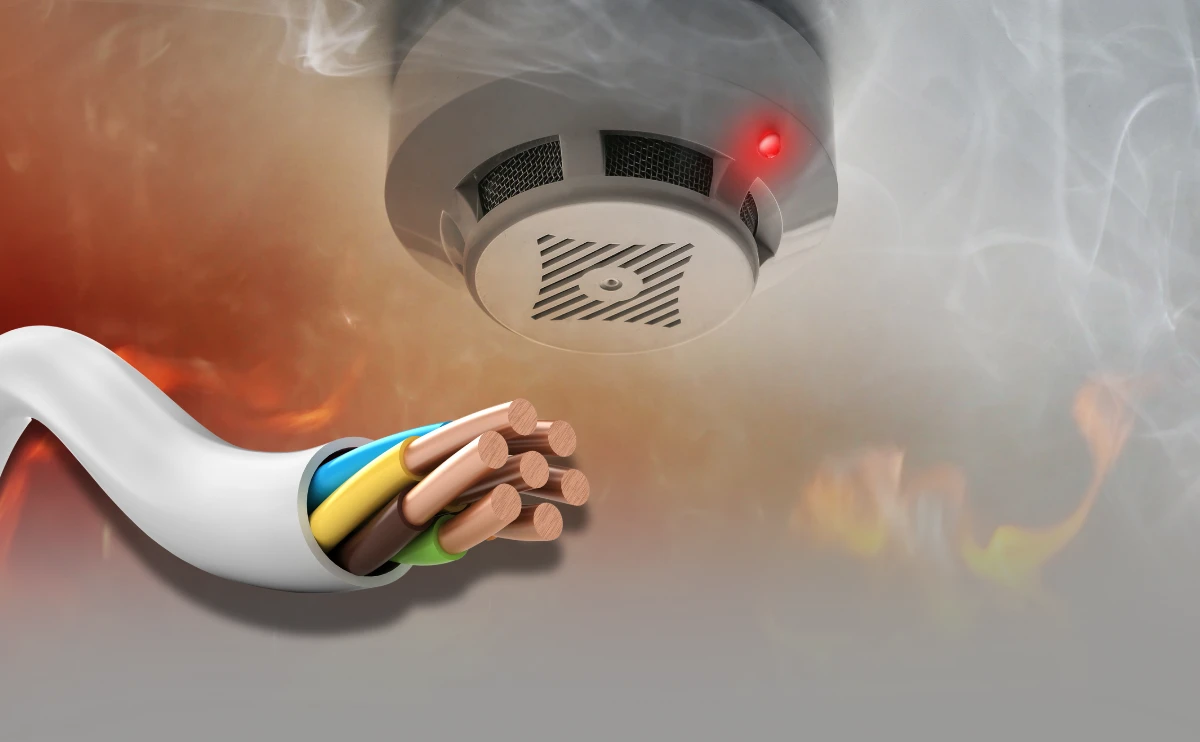
How LSZH Cables Achieve Flame Retardancy
LSZH cables achieve flame retardancy without relying on halogens, using specially engineered halogen-free polymer compounds and mineral-based flame retardants.
Halogen-free flame-retardant materials
Instead of PVC or other halogenated polymers, LSZH cables use polyolefin-based materials combined with inorganic flame retardants such as aluminum trihydrate (ATH) or magnesium hydroxide (MDH). These materials do not release toxic halogen acid gases when exposed to fire.
Smoke suppression and char formation
When heated, ATH and MDH undergo an endothermic reaction, absorbing heat and releasing water vapor. This process:
Cools the fire zone
Dilutes flammable gases with steam
Forms a protective char layer that slows flame spread and traps smoke particles
At the same time, the high mineral content reduces the total combustible material available, further limiting fire growth.
Why LSZH smoke improves evacuation visibility
Because LSZH compounds generate very low smoke and light-colored fumes, visibility remains significantly better during a fire. This helps occupants evacuate safely and allows emergency responders to operate more effectively—one of the key advantages of LSZH cables in tunnels, buildings, transport systems, and enclosed spaces.
In short, LSZH flame retardancy relies on heat absorption, smoke suppression, and physical barrier formation—without producing toxic or corrosive gases, making it a safer choice for modern fire-sensitive installations.
Typical Applications of LSZH Cables
LSZH cables are best suited for enclosed or high-risk environments where smoke toxicity, visibility loss, and corrosion would cause severe harm to people or critical systems.Here is a simple form of typical applications of LSZH cables:
| Application Area | Typical Environments | Why LSZH Is Used |
|---|---|---|
| Public Buildings & High-Occupancy Areas | Airports, hospitals, malls, tunnels, high-rise buildings | Low smoke improves evacuation visibility; zero halogen reduces toxic exposure |
| Transport Infrastructure | Metro systems, railways, airports, underground stations | Confined spaces with high passenger density require strict fire safety |
| Data Centers & Telecom Rooms | Data centers, central offices, server rooms | Prevents corrosive gas damage to sensitive electronics; limits smoke spread through HVAC |
| Marine & Offshore Environments | Ships, submarines, offshore platforms | Limited escape routes demand low-toxicity, non-corrosive materials |
| Industrial & Critical Facilities | Power plants, nuclear facilities, control rooms | Protects critical systems and reduces post-fire corrosion damage |
When to Choose LSZH Cables
LSZH cables are recommended in enclosed or high-occupancy spaces where smoke toxicity, visibility loss, and corrosion pose the greatest risks during a fire. Typical applications include public buildings, transport hubs, data centers, tunnels, and marine environments, where safe evacuation and equipment protection are critical.
However, LSZH is not designed for every fire scenario. In applications that require continuous circuit integrity under extreme fire exposure—such as emergency power, fire alarms, and life-safety systems—higher fire-resistant cables (for example, mineral insulated cables or certified fire-survival cables) may be required by local regulations.
Understanding this distinction helps avoid both over-specification and under-protection. In the next article, we compare LSZH cables vs. Mineral Insulated Cables to help you select the right solution for different fire-risk levels and compliance requirements.
If you need project-specific guidance, contact our engineering team—we’re ready to support your cable selection and provide tailored solutions for your application.