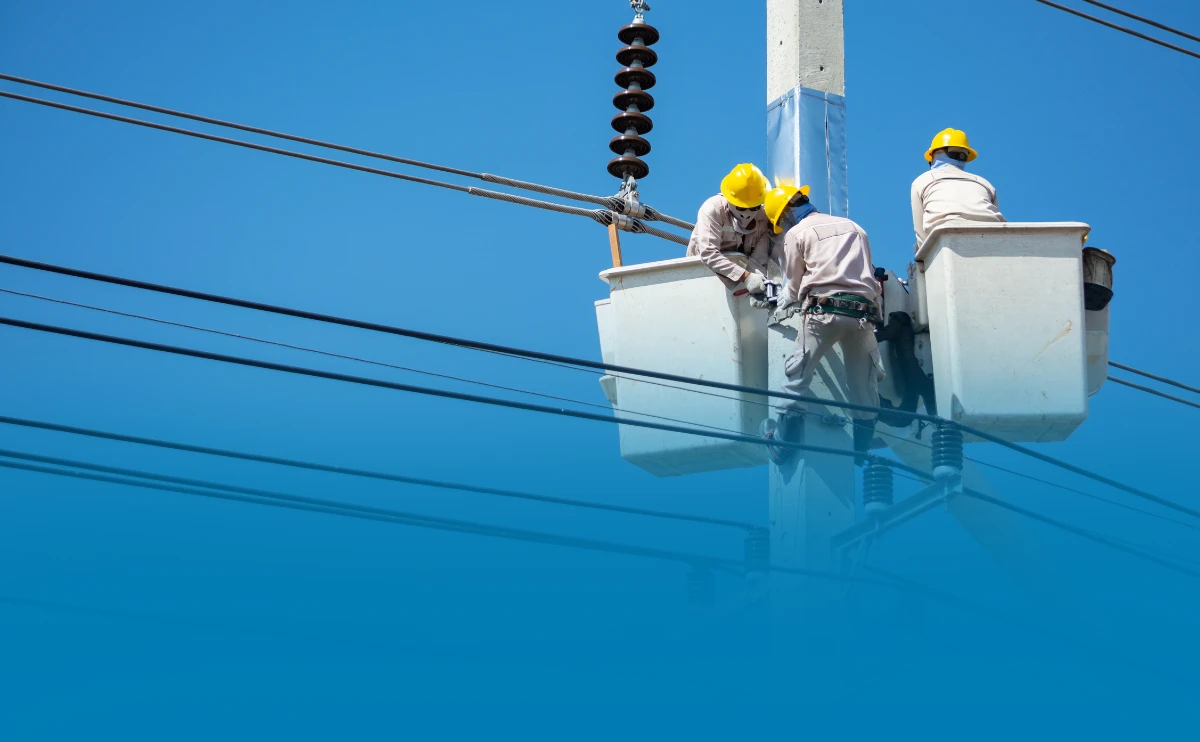
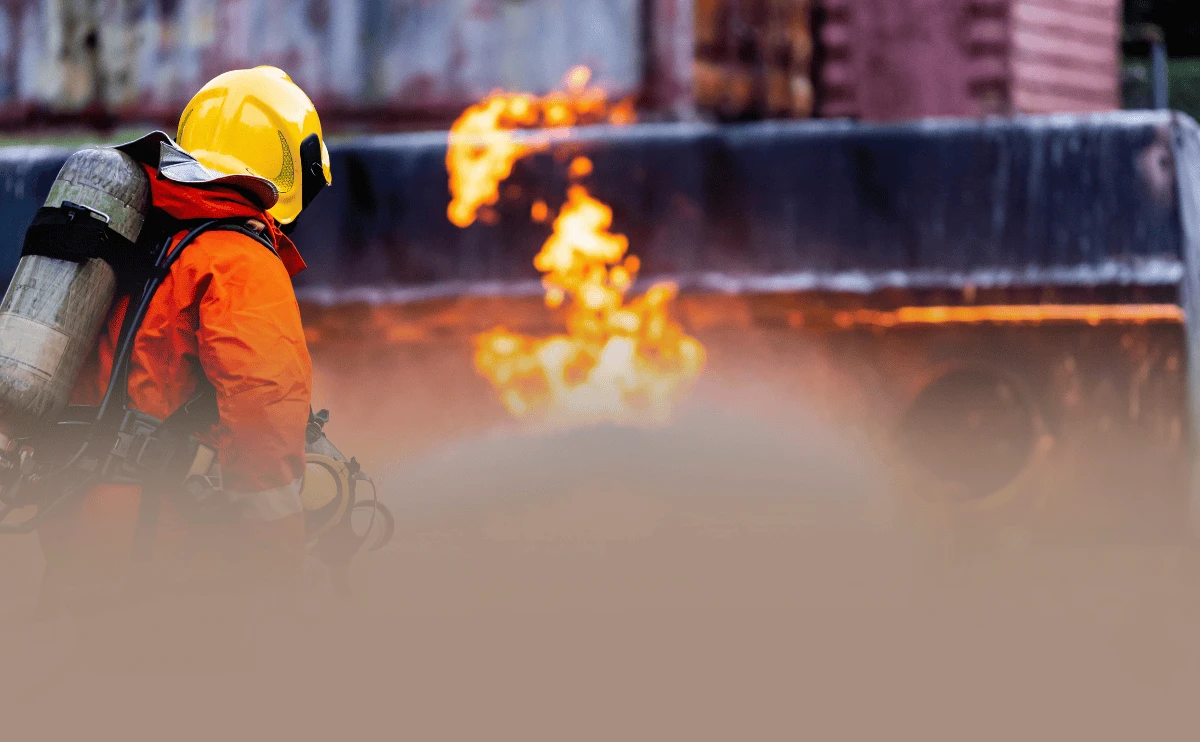
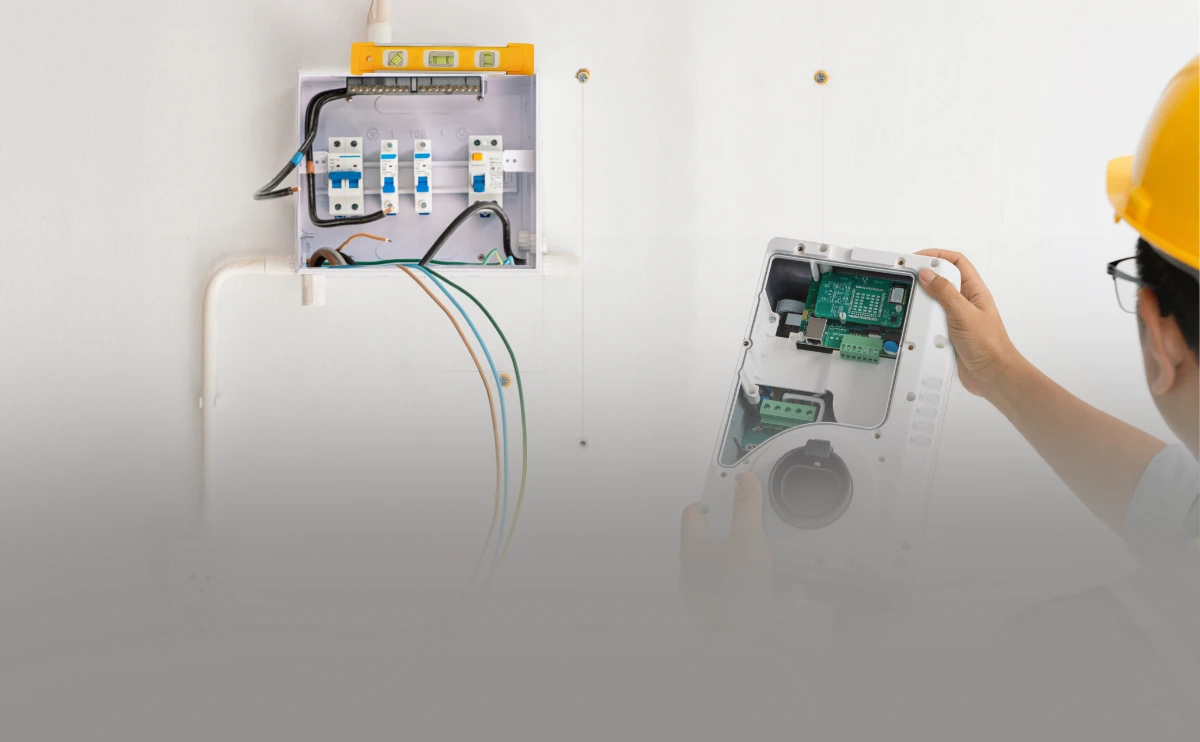
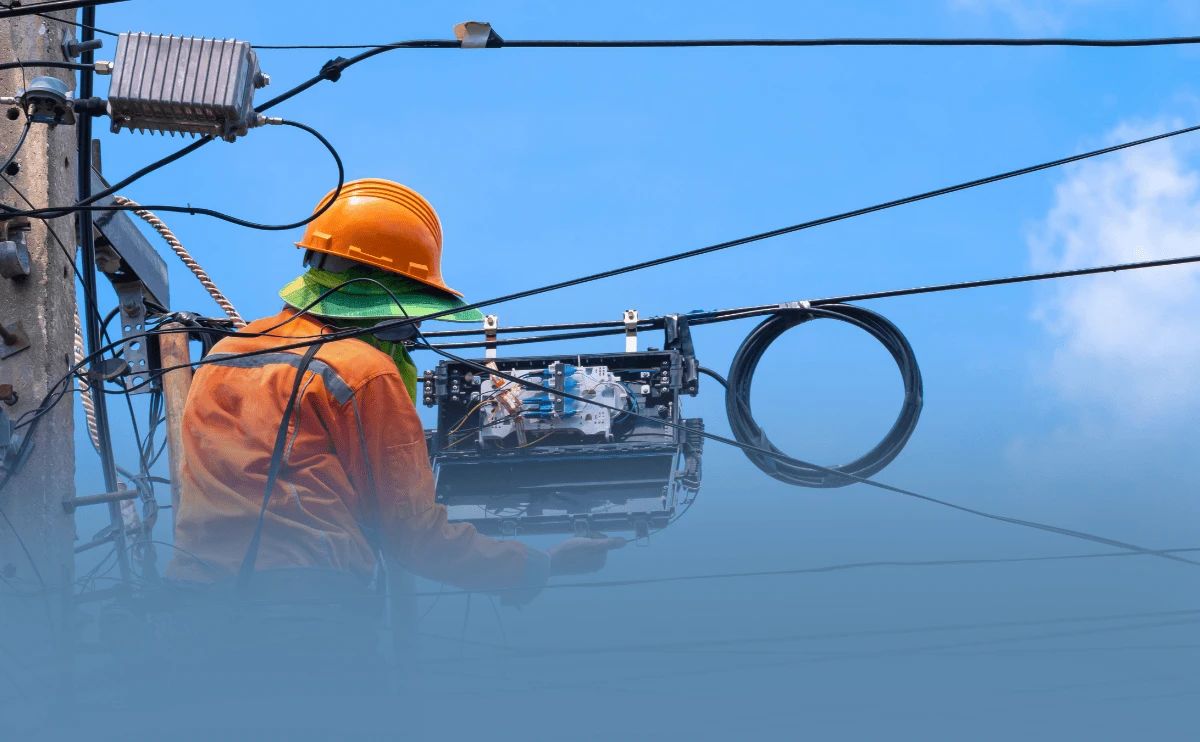
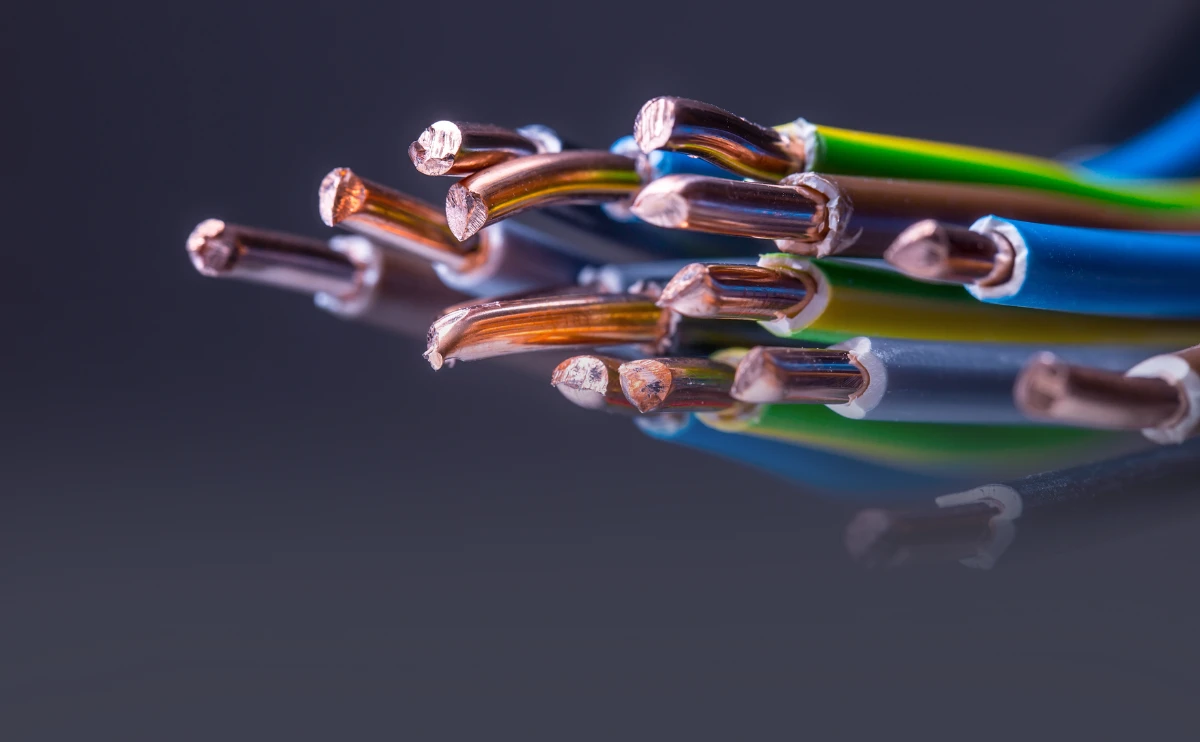
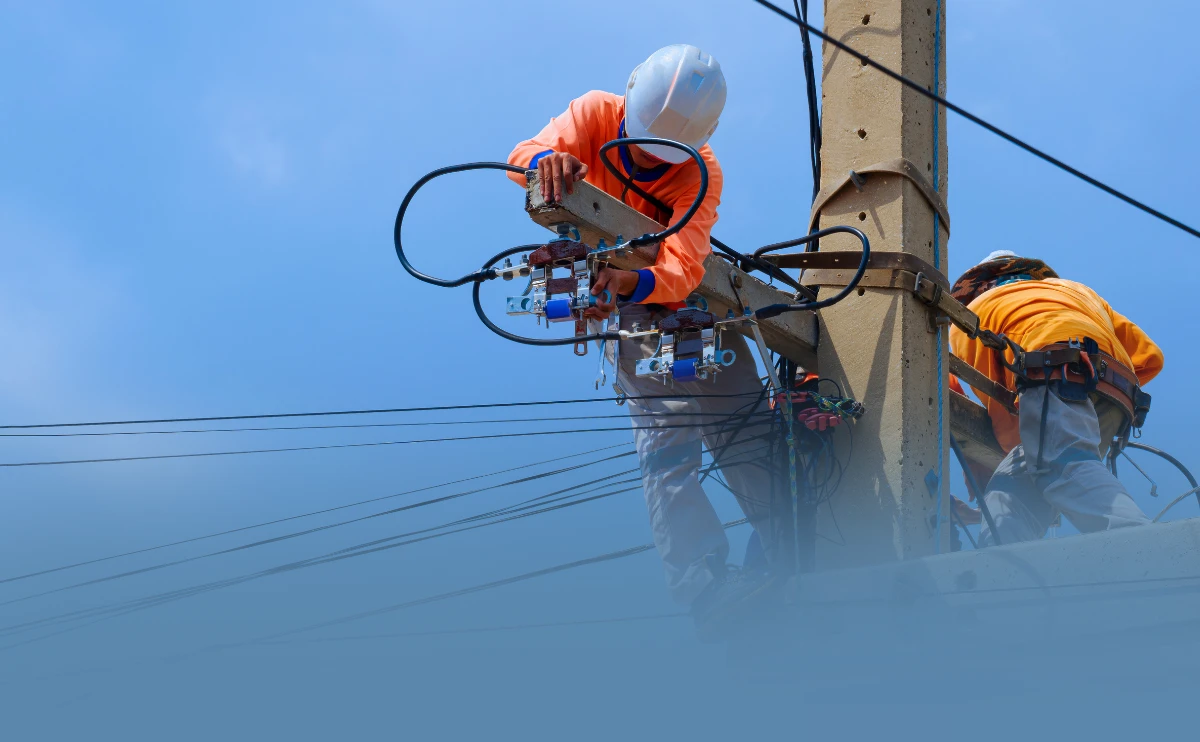
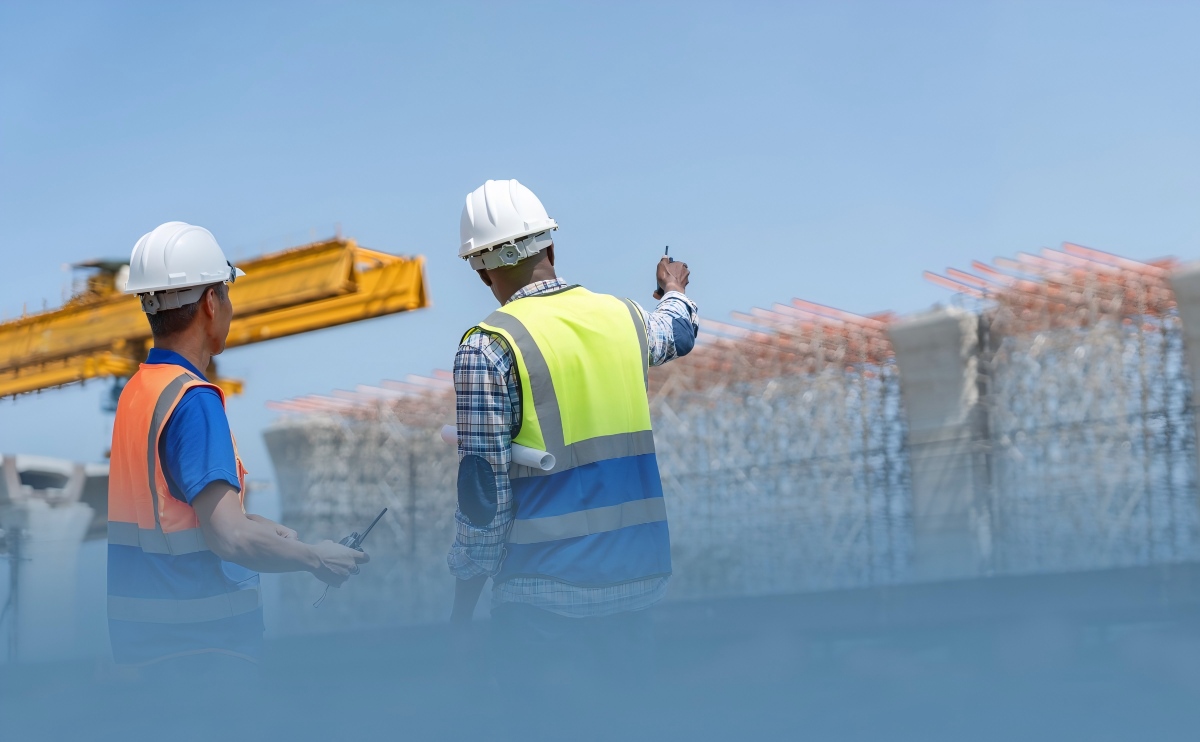
Confined spaces increase fire risk because smoke builds up quickly and limits visibility. In tunnels, high-rise buildings, data centers, and control rooms, smoke often causes more danger than flames. LSZH cables reduce smoke output and do not release corrosive halogen gases. This helps people see exit routes and evacuate faster.
LSZH also protects equipment. Traditional PVC cables release acidic gases when they burn, which can damage electronics and metal components. LSZH materials reduce corrosion and help preserve critical systems during a fire.
For high-occupancy and enclosed environments, LSZH cables improve both life safety and equipment protection. That is why engineers often specify them in hospitals, airports, metro systems, and large commercial buildings.
Table of Contents
Building Applications
Commercial and public buildings rely heavily on LSZH cables to improve fire safety. Offices, hospitals, schools, and shopping malls contain high occupant density and complex evacuation routes. In these environments, reduced smoke and low toxicity support safer evacuation and limit secondary damage. Residential high-rise buildings also use LSZH cables in risers and common areas, where smoke control is critical during emergencies.
Transportation Systems
Transportation infrastructure demands strict fire performance due to enclosed layouts and heavy passenger flow. Metro and railway systems use LSZH cables in power, signaling, and control circuits to reduce smoke spread in tunnels and stations. Airports and road tunnels also specify LSZH to protect evacuation routes and maintain visibility in confined transit environments.
Data Centers and Telecom Facilities
Data centers and telecom facilities contain dense cable installations and sensitive electronic equipment. LSZH cables help reduce corrosive gas release during fire incidents, which protects servers, switches, and control panels. By limiting smoke and acid damage, LSZH supports faster recovery and improves continuity of operation in mission-critical systems.
Marine and Offshore Environments
Marine and offshore projects apply LSZH cables in engine rooms, accommodation blocks, control cabins, cable trays, and emergency systems. Ships and offshore platforms operate in enclosed steel structures where smoke spreads quickly through corridors and ventilation ducts. In these confined vessels, clear visibility and breathable evacuation paths are critical.
Halogen-free performance also protects onboard systems. Traditional halogenated cables release acidic gases that corrode navigation panels, switchboards, and communication equipment. LSZH cables reduce toxic fumes and corrosion, which supports crew safety and system reliability during fire incidents. For offshore platforms located far from emergency support, this protection becomes even more important.The table below summarizes the applications of LSZH cables.
| Application Area | Typical Locations | Why LSZH Is Preferred |
|---|---|---|
| Commercial Buildings | Offices, hospitals, schools, malls | Improves evacuation visibility and reduces toxic smoke |
| Residential High-Rise | Vertical risers, common corridors | Controls smoke spread in tall structures |
| Transportation Systems | Metro, railway, airports, tunnels | Limits smoke in enclosed transit spaces |
| Data Centers & Telecom | Server rooms, control rooms, cable trays | Protects sensitive equipment and supports operation continuity |
| Marine & Offshore | Ships, engine rooms, offshore platforms | Reduces corrosion and improves safety in confined vessels |
How to Select the Right LSZH Cable for Your Project
Selecting the right LSZH cable requires more than choosing a “low smoke” label. You must match fire performance, mechanical strength, and regulatory requirements to the actual installation environment.
- Confirm the Required Standard
Start with the governing standard for your project location.
Southeast Asia often references IEC standards.
Australia requires AS/NZS compliance.
Always confirm the exact test methods specified in the tender.
- Define the Fire Performance Level
Not all LSZH cables offer the same flame resistance.
Check whether the project requires single-cable flame testing or bundled flame testing.
Critical circuits may also require fire resistance for circuit integrity.
- Evaluate the Installation Environment
Consider whether the cable runs through confined spaces, open areas, or industrial zones.
High-rise buildings and tunnels demand stronger smoke control performance.
Industrial sites may require higher mechanical durability.
- Check Mechanical and Installation Requirements
Some LSZH compounds differ from PVC in flexibility and surface friction.
Confirm bending radius, pulling tension limits, and compatibility with cable management systems.
Proper installation prevents jacket damage and long-term failure.
- Verify Documentation and Certification
Do not rely only on product naming such as LSZH or WDZ.
Request certified test reports and confirm compliance with project standards.
Clear documentation prevents approval delays and redesign costs.
Practical Guidance
| Selection Factor | Key Question to Ask |
|---|---|
| Standard | Which national or international code governs the project? |
| Fire Test | Does the project require IEC 60332, 60754, 61034, or fire resistance? |
| Application | Is the space confined, high-occupancy, or mission-critical? |
| Mechanical | Are special installation conditions involved? |
| Documentation | Can the supplier provide verified test reports? |
Choosing the correct LSZH cable means balancing safety, compliance, and durability. A well-matched specification improves evacuation safety, protects equipment, and ensures smooth project approval.
With decades of export experience, NAN CABLE provides IEC-tested LSZH cable solutions and clear technical documentation for global projects. Contact our team to select the right LSZH cable for your application and ensure full compliance with international standards.