China is the world’s largest electrical cable producer, supplying everything from building wires to high-voltage power cables to more than 120+ countries. Whether you’re sourcing for construction, utilities, or manufacturing, you will encounter China’s unique naming system—YJV, YJV22, BV, BYJ, RV, and many more.
These cable names follow China’s GB national standards and CCC compulsory certification, which are different from the IEC system and the AS/NZS standards used in Australia. The variations come from China’s industrial history, material specifications, safety requirements, and large-scale infrastructure needs.
Understanding how China labels and tests its cables is essential for buyers working with Chinese manufacturers—especially when ensuring compliance, quality, and correct product selection.
Table of Contents
Overview of China’s GB Cable Standards
China’s electrical cable system is built on the GB national standards, which define the structure, materials, performance, and safety requirements for every cable type sold in the local market. For international buyers working with Chinese manufacturers, understanding a few foundational standards is enough to navigate most product categories.
GB/T 12706 — Power Cables (XLPE & PVC Insulated)
This standard covers medium- and low-voltage power cables, including China’s most common types such as YJV (XLPE insulated) and VV (PVC insulated).
It specifies conductor materials, insulation thickness, voltage ratings (0.6/1kV and above), and testing requirements.
GB/T 5023 — PVC Insulated Wires (Building Wiring)
GB/T 5023 applies to PVC-insulated copper wires used in buildings.
The popular BV (PVC) and BVR (flexible PVC) wires fall under this category and are widely used for residential and commercial wiring.
Flame-Retardant & Fire-Resistant Grades
China uses added prefixes to describe fire performance:
| Code | Meaning | Typical Use |
|---|---|---|
| ZR | Flame-retardant cable | Slows flame spread; required in many buildings |
| NH | Fire-resistant cable | Maintains circuit integrity under fire; used in emergency systems |
| WDZ | Low-smoke, halogen-free | Hospitals, tunnels, public spaces |
These performance codes can be used together—for example, WDZN-YJY means a low-smoke halogen-free, fire-resistant XLPE cable. As cable standards vary across different countries and regions, we created the table below to help readers easily compare and distinguish the major cable categories worldwide.
| Category Type | Cable Types | Primary Use | Common Regions |
|---|---|---|---|
| Region-Based Standards | AS/NZS Cables (e.g., TPS, V75, V90, XLPE) | Power supply, building wiring | Australia & New Zealand |
| IEC Cables | Power, control, industrial applications | Global (incl. Southeast Asia, China) | |
| Chinese GB Standard Cables | Building wire, power cables | Mainland China | |
| Thai Industrial Standards (TIS) Cables | Electrical installation & power distribution | Thailand |
Common Chinese Cable Types & Quick Naming Guide
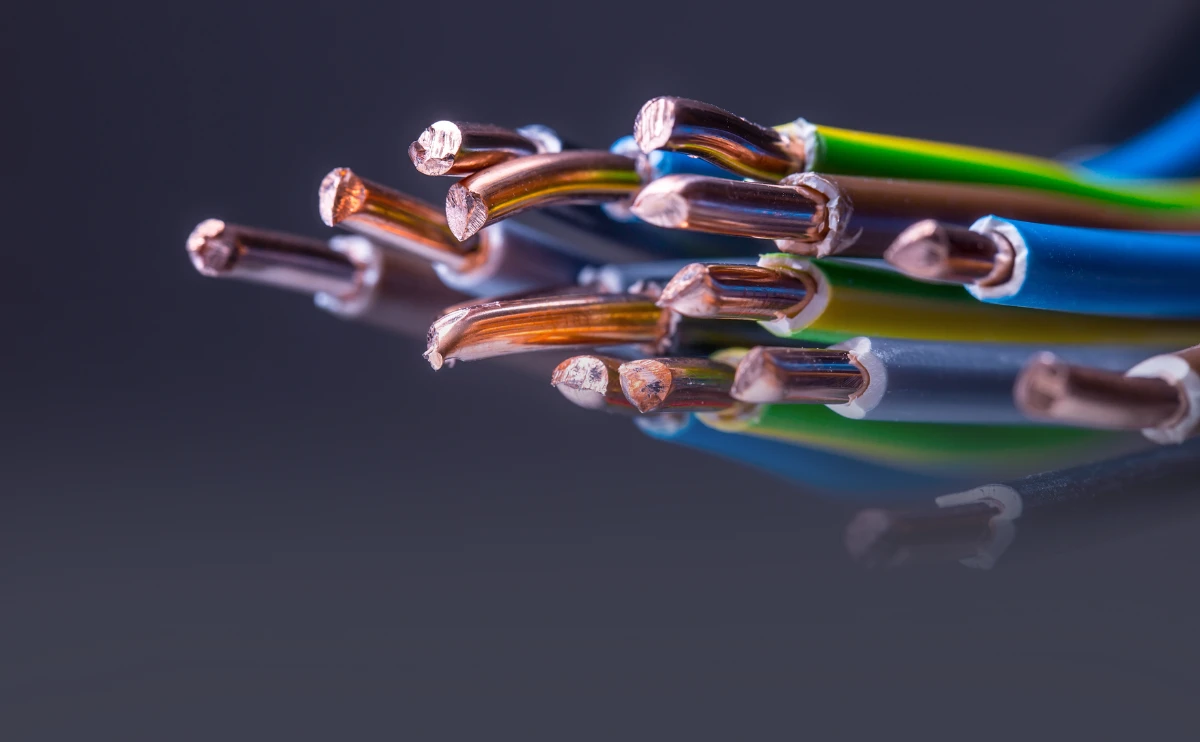
China’s GB cable models (YJV, YJV22, YJY, YJV23, etc.) follow a structured code system. Each letter or number represents a specific layer of the cable — from conductor to insulation, sheath, and armouring.
Use this sheet to quickly decode any China electrical cable model.
| Category | Item | Meaning / Description | Common Use Cases |
|---|---|---|---|
| Common Cable Types | YJV | XLPE insulated, PVC sheathed | General LV/MV power distribution |
| YJV22 | XLPE, steel tape armoured (STA), PVC sheath | Direct burial, mechanical protection | |
| BV | PVC building wire | Indoor wiring, conduits | |
| BYJ | LSZH insulated wire | Schools, hospitals, public buildings | |
| Naming Logic (Code Meaning) | Conductor | T = Copper, L = Aluminum | Applies to all GB cables |
| Insulation | V = PVC, YJ = XLPE | Determines temperature rating | |
| Shielding | D = Copper tape, S = Copper wire | EMI protection | |
| Armouring | 2 = Double steel tape, 3 = Fine SWA, 4 = Thick SWA | Mechanical protection level | |
| Outer Sheath | V = PVC, Y = PE, A = Composite aluminium-polymer | Determines UV, chemical resistance |
Applications of Chinese Electrical Cable Types
- Construction Wiring (Residential & Commercial Buildings)
Common Chinese cable types:
BV — PVC insulated building wire
BYJ — LSZH insulated building wire
BVR — Flexible PVC wire
BVVB — Flat twin + earth style cable for indoor use
YJV (0.6/1kV) — Power supply to distribution boards
Why these cables?
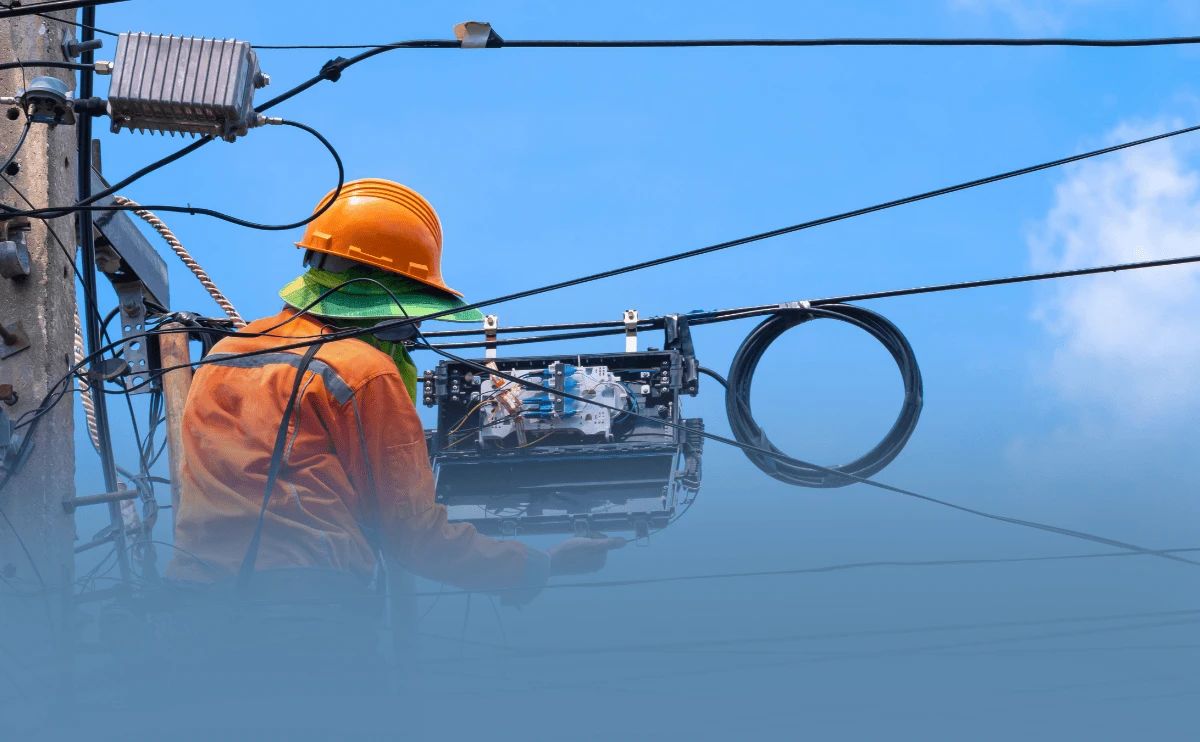
Chinese construction wiring relies heavily on PVC and LSZH building wires for conduits and trunking. BV/BYJ cover circuits inside walls, while YJV supplies power from main switchboards to floors and large equipment.
- Power Transmission & Utilities (Distribution Networks)
Common Chinese cable types:
YJV / YJLV — LV/MV XLPE power cables
YJV22 / YJLV22 — Steel tape armoured for direct burial
YJV32 / YJLV32 — Steel wire armoured for higher mechanical stress
35 kV XLPE power cables — For medium-voltage substations and feeders
Why these cables?
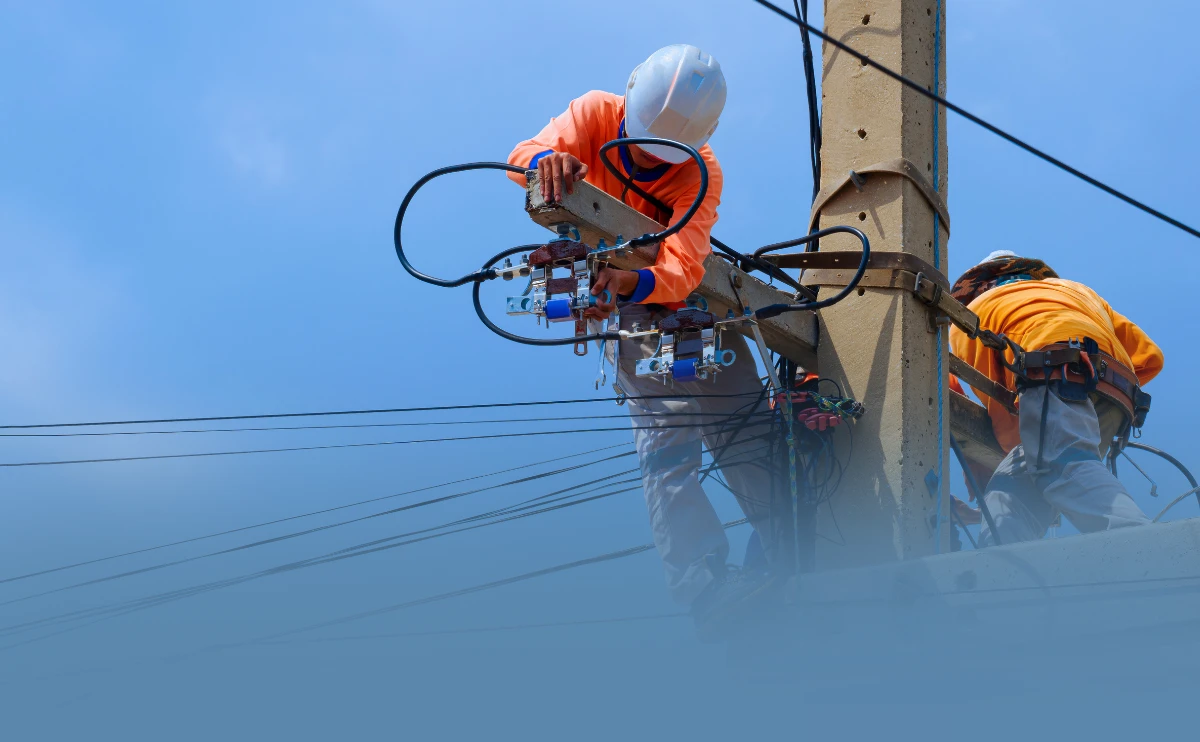
China’s utility sector heavily depends on XLPE-insulated power cables due to wide temperature tolerance, strong mechanical protection, and long service life. Armoured types (22/32) are used in buried or outdoor environments.
- Fire-Resistant & Safety-Critical Applications
Common Chinese cable types:
NH-YJV — Fire-resistant XLPE cable (maintains power under fire)
ZR-YJV — Flame-retardant XLPE cable
ZR-BV / NH-BV — Flame-retardant or fire-resistant building wires
WDZ-BYJ — Low-smoke, halogen-free fire-safe wire
Where they are used:
- Emergency lighting
- Fire pumps and smoke control systems
- Hospitals, tunnels, metro stations
- High-occupancy public buildings
Why these cables?
ZR/NH/WDZ series are required because they comply with strict GB safety rules for fire durability, smoke toxicity, and evacuation safety.
- Industrial Environments (Factories, Manufacturing, Heavy Machinery)
Common Chinese cable types:
YJV / YJLV — General power supply
YJV22 / YJV32 — Armoured cables for mechanical protection
Control cables (KVV, KVVP, KVVP2) — For automation and equipment control
Instrumentation cables (DJYPVP) — For data, monitoring, PLC systems
Flexible industrial cables (RV / RVV / RVVP) — For machinery wiring
Why these cables?
Factories require cables with abrasion resistance, EMI shielding, flexibility, and armouring depending on the environment. Armoured cables are used for floor-level cable runs; shielded control cables prevent signal interference in automation lines.

How to Select Cables in China
Choosing the right cable for Chinese projects requires understanding both GB standards and CCC certification rules. Below are the key factors to check:
- CCC Certification (Mandatory in China)
All power cables and building wires used in China must carry CCC approval. This ensures the product meets GB safety, performance, and fire-testing requirements. Always verify the manufacturer’s CCC certificate number before purchasing.
- LSHF vs. PVC Insulation
PVC (BV / YJV) — cost-effective, suitable for standard residential and commercial use.
LSHF (BYJ / WDZ Series) — low smoke & halogen-free, recommended for schools, hospitals, tunnels, and public buildings.
Choose LSHF when smoke toxicity or emergency evacuation is a concern.
- Armouring Requirements (22 / 32 Series)
No armouring (YJV) — for indoor conduits or protected cable trays.
Steel tape armoured (YJV22) — for direct burial or areas with moderate mechanical impact.
Steel wire armoured (YJV32) — for vertical runs, industrial floors, vibration zones.
Select armouring based on installation conditions and mechanical risk.
- Voltage Levels (0.6/1kV → 35kV)
0.6/1kV — building distribution
3.6/6kV, 6/10kV — industrial plants
35kV — utilities and substations
Match voltage rating to the system design, ensuring adequate insulation and safety margin.
- Using Chinese Cables Outside China
If the project is outside China, confirm:
Local wiring rules (IEC, AS/NZS, UL, etc.)
Whether GB-coded cables are accepted by local inspectors
Fire-rating and sheath requirements for that region
When in doubt, consult our professional engineering team. We will confirm compliance and recommend the correct cable type for your market.
Choose the Right Electric Cable with NAN Cable
China’s GB/CCC cable system can seem complex, but once you understand the naming logic and key products—YJV, YJV22, BV, BYJ—it becomes much easier to select safe, compliant cables for construction, utilities, and industrial projects. At NAN CABLE, we manufacture cables that exceed GB requirements and also meet IEC standards, making them suitable for most overseas markets as well.
If you’re also interested in how different electrical cable types working across multiple countries, especially for International Projects, you could explore the answer here.
Whenever you need technical support or cable recommendations, our engineers are ready to help—just contact us directly with your project needs.